
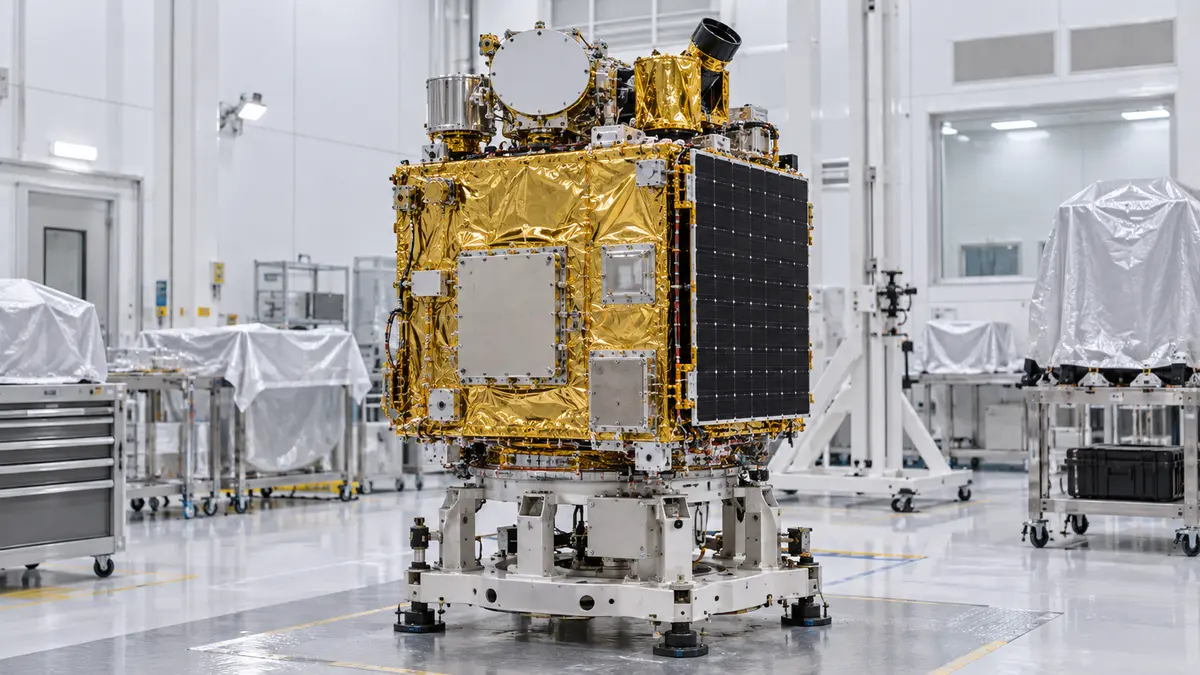
Planned spacecraft production at UTS Tech Lab
Space Machines Company and the University of Technology Sydney have announced the Optimus Factory, OF-01, at UTS Tech Lab in Sydney. The companies plan an additional 800-square-metre production space and a satellite assembly, integration and test cleanroom. They describe the proposed site as Australia’s largest industrial-scale spacecraft manufacturing facility.
The partners renewed their collaboration for three years. Their factory plan provides for:

- five Optimus Viper spacecraft in production simultaneously;
- potential expansion to more than 20 units annually;
- facility operations by late 2025;
- Viper production beginning in early 2026.
Earlier assembly and qualification work
UTS Tech Lab had already constructed a bespoke facility for Space Machines Company’s satellites before the new expansion announcement. The university designed its fitout around the company’s requirements and recruited neighbouring partners and suppliers. SMC gained access to equipment that it would otherwise have needed to rent or purchase.
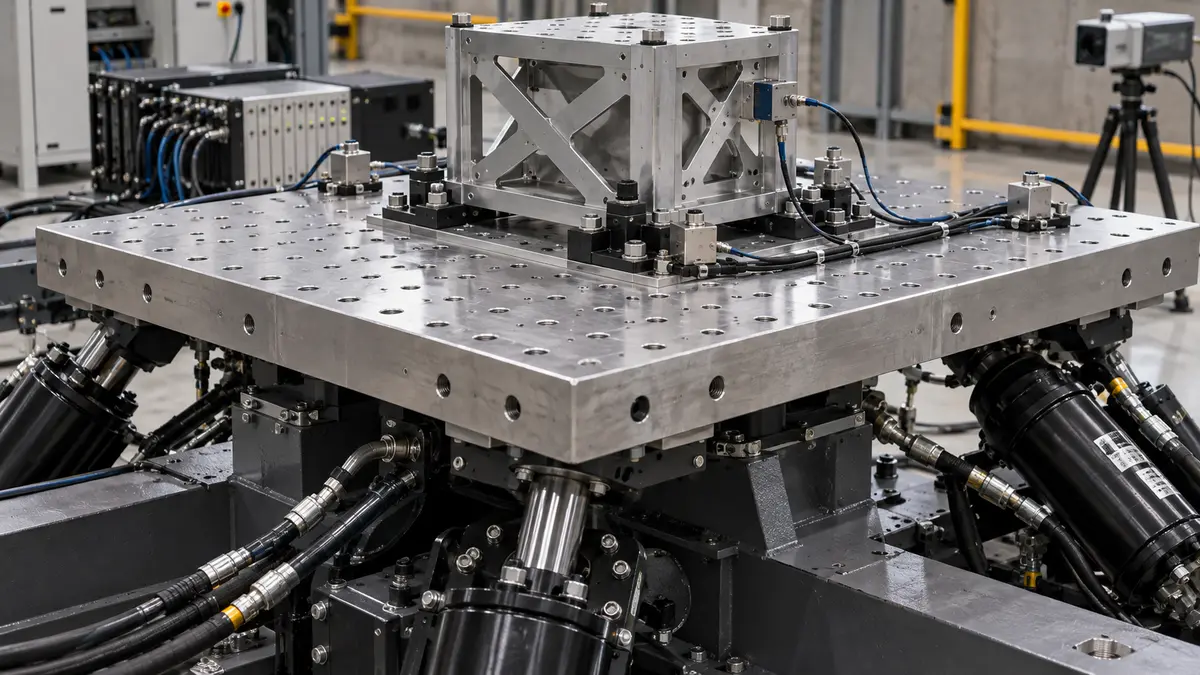
For the earlier Optimus spacecraft, UTS used its Multi-Axial-Simulation-Table to undertake a static load test ahead of the SpaceX Transporter 10 rideshare launch. The table ordinarily simulated earthquakes. The tailored spacecraft test instead reproduced the constant load of more than 12 g associated with launch conditions.
UTS reported in February 2024 that more than 20 per cent of SMC’s employees came from the university. Tech Lab business development director Roger Kermode linked internships and capstone projects to recruitment: students could gain academic credit and experience, while the company could assess prospective employees through project work.
The Optimus Viper platform
SMC unveiled Optimus Viper on 12.12.2024 as a rapid-response spacecraft platform for inspection and protection of space assets. The platform builds on experience from Optimus, which launched aboard a SpaceX Falcon 9 rocket earlier in 2024.

The company designed Viper to combine autonomous capabilities with its Solstice OS orbital operating system. Its proposed missions included space domain awareness and orbital monitoring, with reconfiguration for different objectives. SMC described a deployment capability within 24 hours of launch and operation within 10 kilometres of target satellites.
SMC also introduced a commercial offer for low-Earth-orbit proximity inspections at US$2–3 million per inspection. The company planned multiple capability missions during 2026. These platform specifications, prices and mission schedules were company announcements; the factory expansion and future Viper output remained proposed production plans.

Company and contact
Space Machines Company Pty Ltd
Media inquiries: [email protected]
Website: https://www.spacemachines.com/



















Leave a comment