
Manufacturing begins
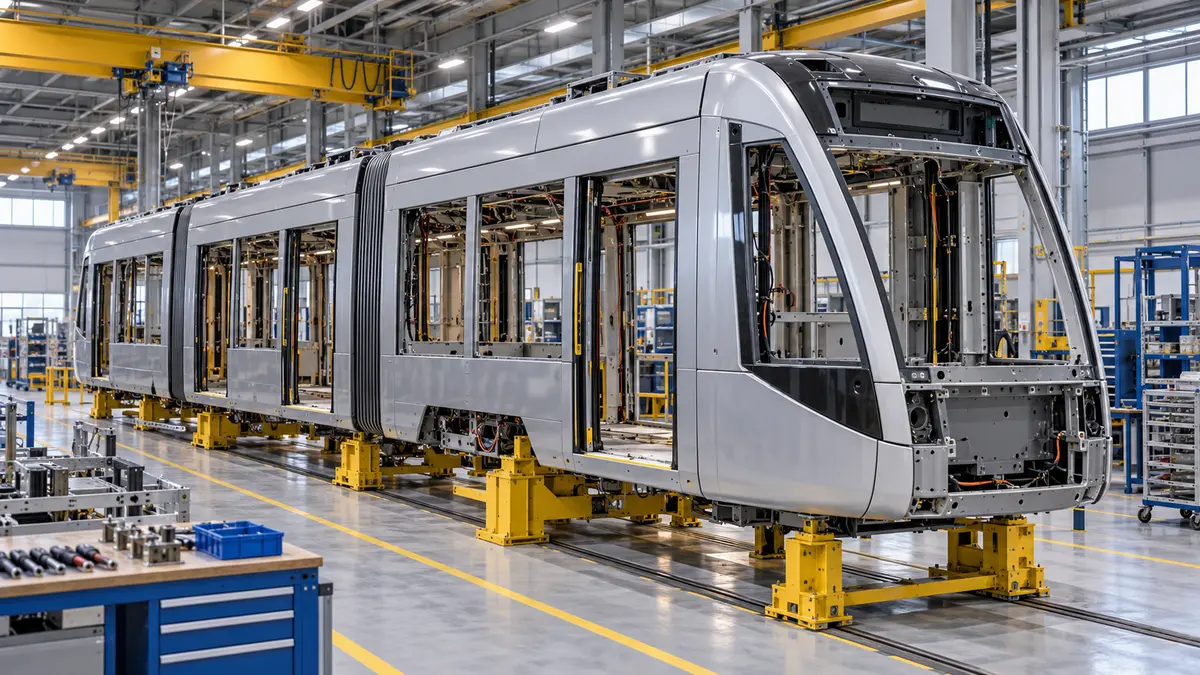
Alstom has started manufacturing Melbourne’s G Class trams at its Dandenong factory in Australia. The Victorian Government’s A$1.85 billion Next Generation Trams project covers 100 low-floor vehicles and a maintenance and stabling facility in Maidstone. Minister Gabrielle Williams visited the factory on 8 November 2024.
The three-section vehicles are designed to be 25 metres long and accommodate 150 passengers. The government expects testing to begin in 2025, with Routes 57, 59 and 82 intended to receive them. At least 65% local content and up to 1,900 supported jobs concern the wider manufacturing, construction and supply chain.

A contract with maintenance
Alstom signed the framework agreement with Victoria’s Department of Transport on 21 April 2022. The approximately €700 million contract includes the supply of 100 Flexity low-floor trams and maintenance for 15 years. That contract value covers a different scope from the government’s overall tram-and-depot investment. Alstom scheduled delivery to begin in 2025 when it announced the agreement; the manufacturing announcement does not establish that deliveries have already occurred.
The company specified 65% local content for manufacturing and 85% for maintenance. Alstom adapted its Flexity 2 design to Melbourne’s network requirements, saying the vehicles could integrate without expensive infrastructure, traction-power upgrades or new signalling. The proposed design includes onboard energy storage, air conditioning and a noise-optimised interior, together with multipurpose areas for:
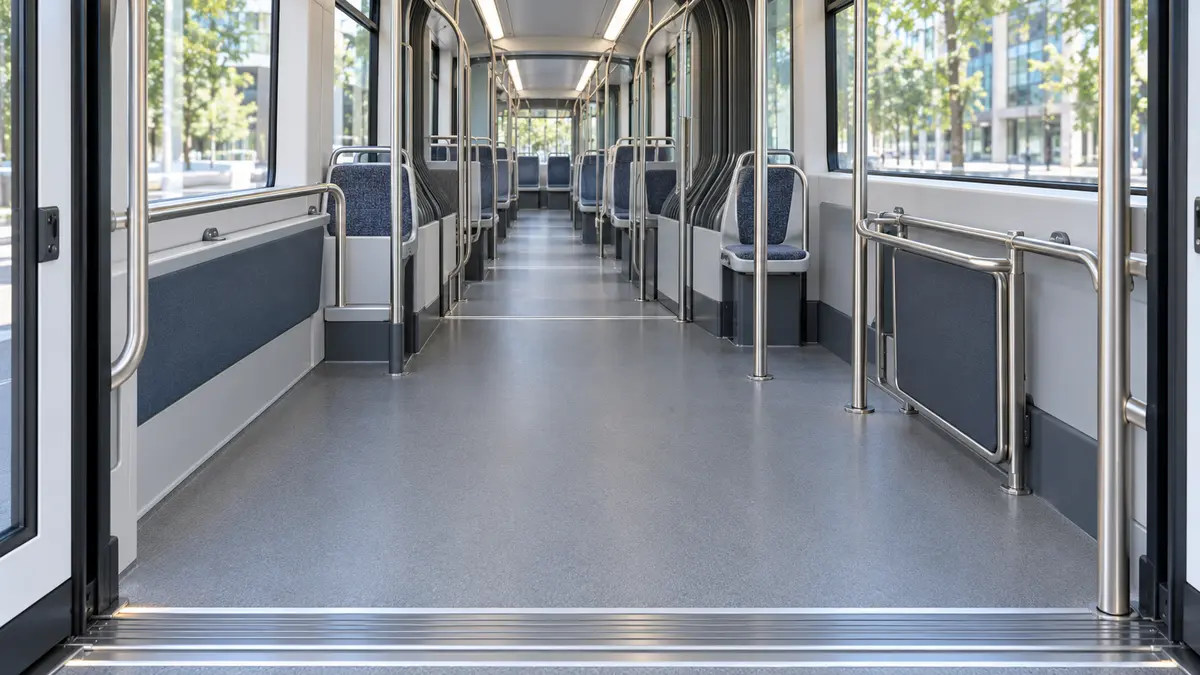
- wheelchairs;
- bicycles;
- strollers.
Connections to the future depot
Maidstone’s facility is intended to maintain, clean and house the fleet in Melbourne’s west. On 18 October 2024, the government announced a November construction programme for its connection to the existing tram network. The planned work involved installing overhead poles and wiring and laying new tracks. Sections of Hampstead, Williamson and Wests roads were scheduled to close from the evening of 7 November until 27 November while crews carried out that work.
The depot’s design includes energy-efficient LED lighting, solar panels, recycled plastic materials and rainwater tanks. The government said the facility project would use at least 94% locally made content and create around 280 jobs across construction, ongoing maintenance and the supply of materials and services. Those depot figures have their own scope; they should not be substituted for the tram manufacturing content requirement or added to the wider project’s supported-job estimate.
Passenger design and next steps
Passenger and accessibility consultations helped refine the design through a life-sized tram model. Planned changes include additional doors, handrails and clearer passenger displays. Braking-energy capture is intended to limit electricity use at peak times.
The low-floor fleet is intended to support the gradual retirement of additional high-floor vehicles. Alstom linked that replacement programme to accessible-transport standards and future passenger demand when announcing the contract. Passenger operation remains a later stage beyond the start of factory manufacturing.




















Leave a comment