
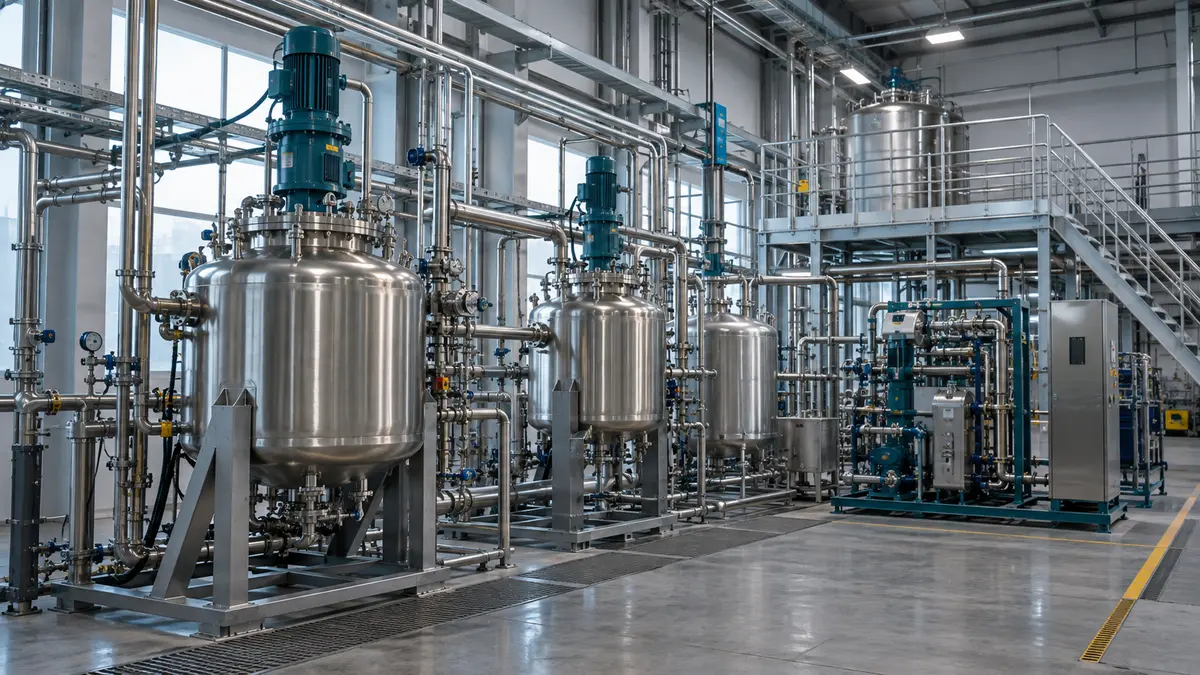
Tobolsk pilot testing
SIBUR is building a polymer-piloting centre in Tobolsk, Russia, with investment above 6 billion rubles and design capacity up to 300 tonnes annually. SIBUR's Darya Borisova expects separate pilot testing to avoid interrupting commercial plants.
Plans envisage at least five catalyst tests and roughly ten new polymer grades annually. SIBUR expects coverage of over 90% of existing and prospective base-polymer technologies. It projects tenfold faster market introduction.

Equipment and trial schedule
Core equipment installation is complete; over 75% was made in St Petersburg, Moscow Region, Nizhny Novgorod, Samara, Perm and Tambov. Construction completion is scheduled for late September 2024, followed by commissioning and trial products before year-end.
Catalyst trials will cover chromium, titanium-magnesium and metallocene formulations. Later technology licensing is envisaged. SIBUR targets opening a research and scaling centre in Kazan by 2027.
Research and scaling in Kazan
SIBUR drove the first pile for its Kazan research centre on February 22, 2024. The design combines two buildings exceeding 18,000 square metres, including 10,000 square metres of laboratory and pilot space. More than 30 modular laboratories are intended to accommodate over 60 simultaneous research projects and more than 300 employees. The planned complex joins SIBUR's business district near Kazanorgsintez and the Northern Gates industrial park. Its scope includes new materials, catalyst development and chemical recycling that converts polymer waste into feedstock.
SIBUR expects combining laboratory research with pilot facilities to accelerate technology development by 25%. Its February announcement targeted construction completion in 2026. The longer-term research programme also aims to develop special components needed for production of up to 15 million tonnes of synthetic materials annually by 2030; that figure concerns the wider industry, rather than Tobolsk's pilot output. At the time, SIBUR's research infrastructure included nine centres, with PolyLab branches supporting customers. During 2022–2023, its scientists developed over 50 solutions, while the product portfolio contained more than 250 specialised polymer grades.

PolyLab processing and product development
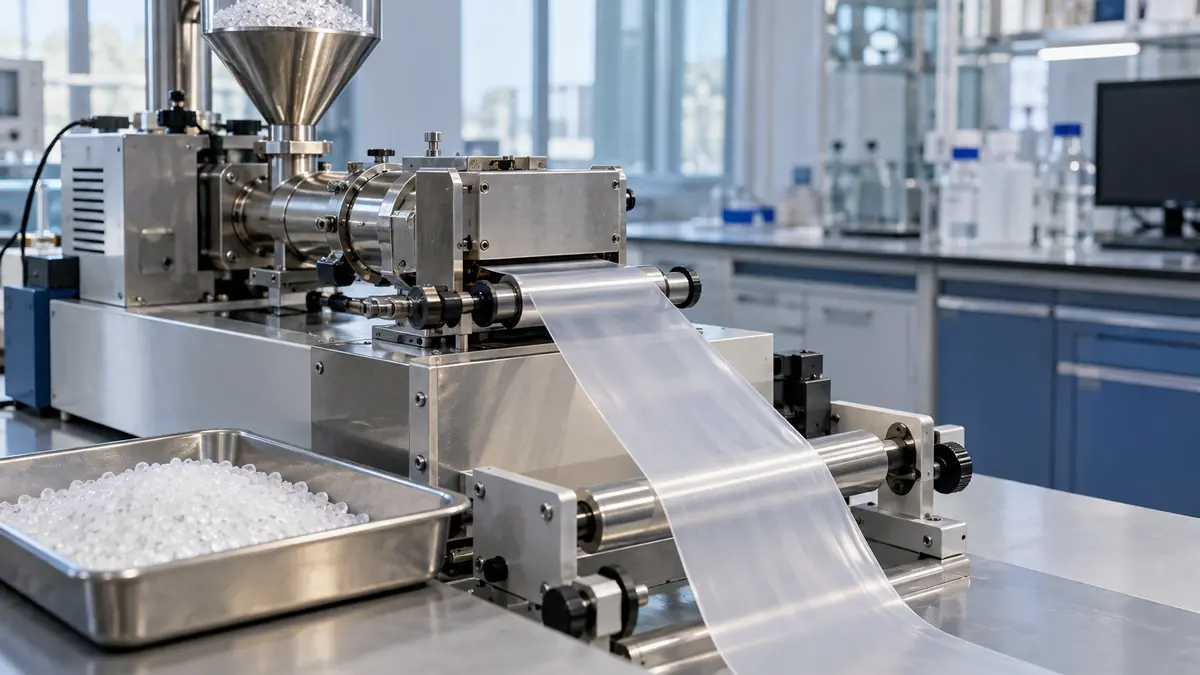
An earlier part of SIBUR's research infrastructure focuses on turning polymer grades into finished products. On May 30, 2019, SIBUR and 3M signed a product-development and recycling cooperation agreement at PolyLab in Moscow. The centre's pilot processing lines were intended to convert samples of polyethylene and polypropylene into finished goods. These trials were designed to assess material properties and their effect on finished-product quality.
- Pipes and medical goods;
- Films and food packaging;
- Canisters.
The agreement envisaged new polyethylene and polypropylene grades, including materials for ZapSibNeftekhim, and improvements in processability and suitability for recycling. Planned joint activities included teaching SIBUR customers to use efficient processing technologies on PolyLab demonstration equipment. SIBUR and 3M also set out cooperation on health and safety and exchanges concerning digital tools in manufacturing and research, including Big Data. These activities formed the cooperation programme agreed in 2019.




















Leave a comment