
First gold follows commissioning work
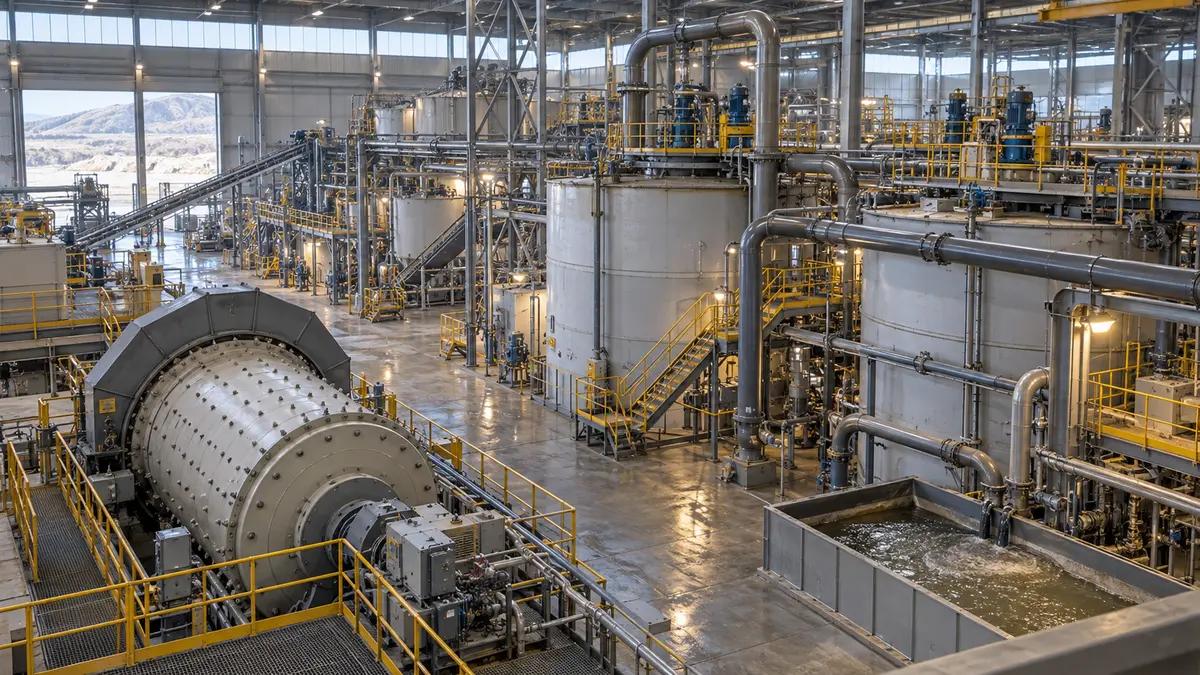
UGC has poured its first gold at Vysokoye in the Krasnoyarsk Territory and aims to produce 2.5 tonnes there by the end of 2024. The June 19 announcement places the first pour at the end of May, following completion of pre-commissioning and receipt of production permits.
The deposit belongs to the company's Sovrudnik division. UGC reported proven reserves exceeding 120 tonnes and estimated a mine life above thirty years. Its year-end production figure remains a target for the new operation's ramp, rather than completed annual output.

A remote project with processing and waste facilities
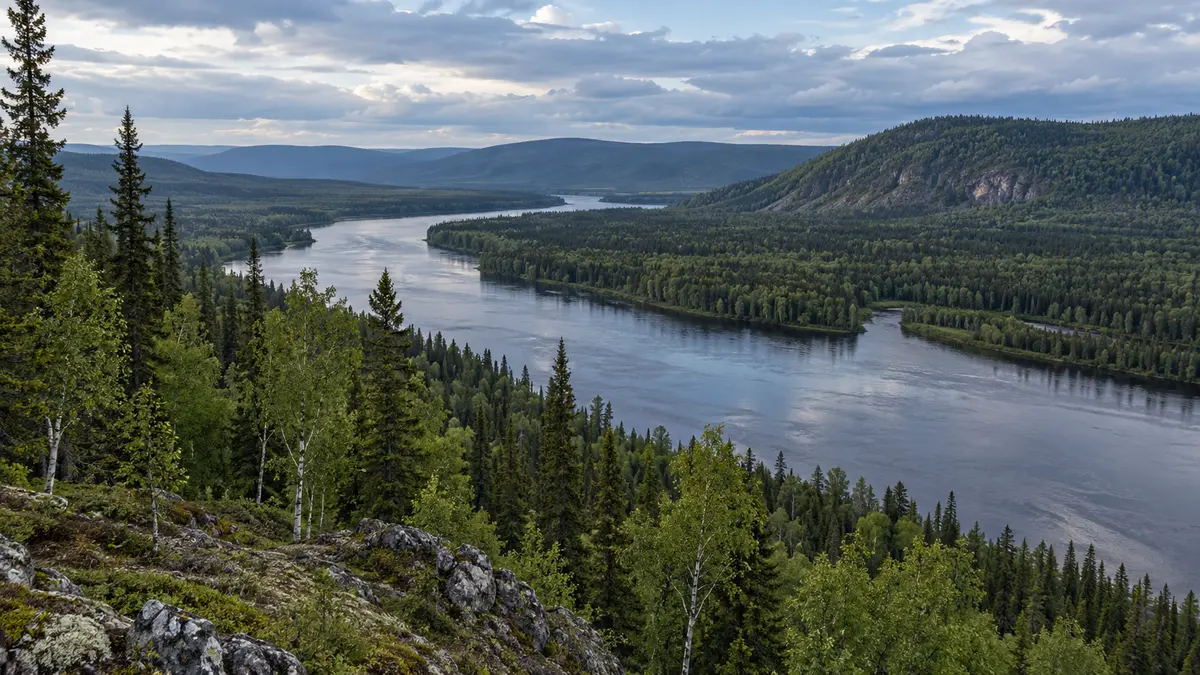
The Yenisey Siberia development organisation described Vysokoye in December 2023 as an investment project implemented by Sovrudnik since 2018 in the North Yenisei district. The first stage was designed to process four million tonnes of gold-bearing ore annually and produce approximately four tonnes of gold. Those figures describe different stages of the same operation: ore entering the plant and the metal expected from processing. The regional account also identified a project employment figure of 1,500 jobs, without providing a verified hiring count.
The project documentation received a positive expert-review conclusion. It provided for tailings storage bounded by a dam, a waste-disposal site and treatment facilities. The development organisation's earlier schedule envisaged completion of construction, installation and commissioning in the first half of 2024. These were project provisions and expectations published before the first-gold announcement; they do not independently establish the completed operating performance of every facility.
Earlier capacity plans remain separate from the ramp
In December 2023, UGC announced the start of pre-commissioning. Its first-stage design envisaged four tonnes of gold annually, with a second stage intended to raise capacity to six tonnes by 2027. Gold production had then been expected to start during December. Keeping that earlier expectation dated avoids treating preparatory work as the first pour later reported for May. The design figures also differ from the new operation's first-year ramp target, which covers a shorter production period.
At that earlier stage, the company reported investment of $320 million against a planned development and infrastructure budget of $400 million. It described 110 kilometres of roads, two bridges, 106 kilometres of power lines, transformer substations, a rotational camp and a thirty-megawatt thermal power station. This was a December snapshot of the investment and supporting infrastructure. It describes facilities supporting a remote mining project, without supplying a measurement of how much ore the newly commissioned plant has processed.

The new operation joins a two-hub producer
UGC's previously reported 2023 results put group gold production at 412,500 troy ounces, equivalent to 12.8 tonnes, a decline of 6.8%. The company attributed the reduction to lower gold grades at Kochkar, where poorer stockpiled ore was used, and the shift of Vysokoye's production start into 2024. Preliminary revenue increased 19% to 68 billion rubles, which UGC linked to a higher average selling price and the dollar exchange rate. Revenue growth therefore accompanied lower physical gold output during that year.
Fourth-quarter group production was 106,900 ounces, up 12.2% year on year. The annual total combined the Urals hub in the Chelyabinsk region and the Siberian hub covering the Krasnoyarsk Territory and Khakassia. These are group operating results reported in February 2024, separate from the subsequently announced new plant. The two hubs contributed the following annual volumes to the existing business in Russia:
- Urals: 211,900 ounces, down 10%.
- Siberia: 200,600 ounces, down 3.1%.




















Leave a comment